Medium-Run 4-Color Printing

digital book printing

MEDIUM RUN DIGITAL PRESSES

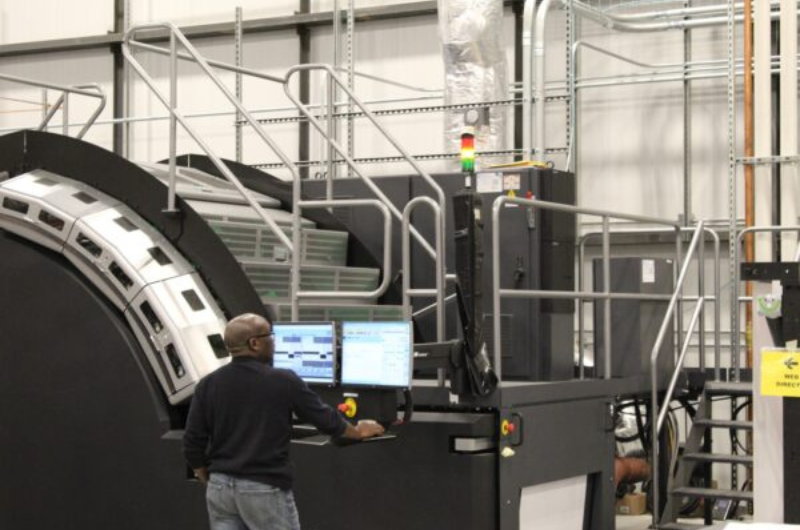
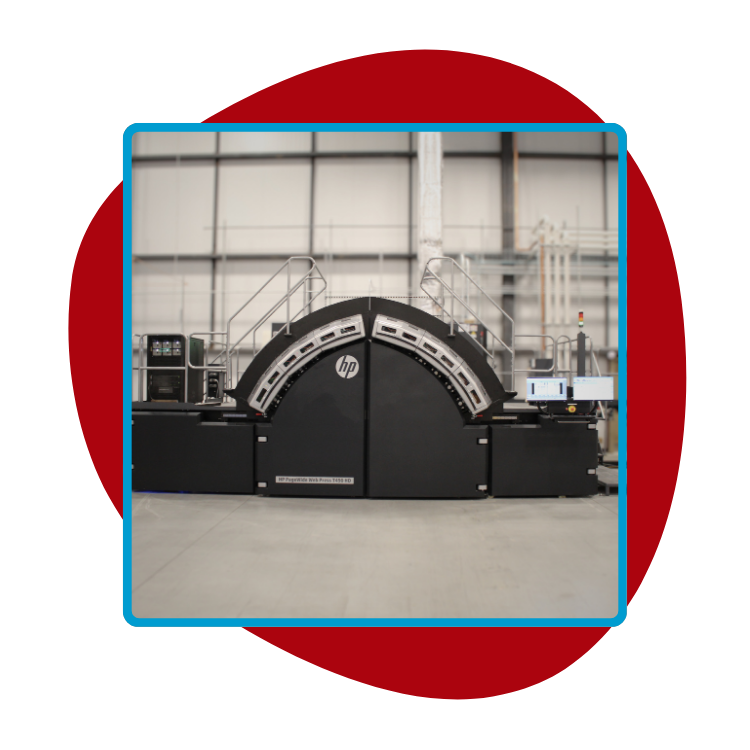
HP PageWide T490

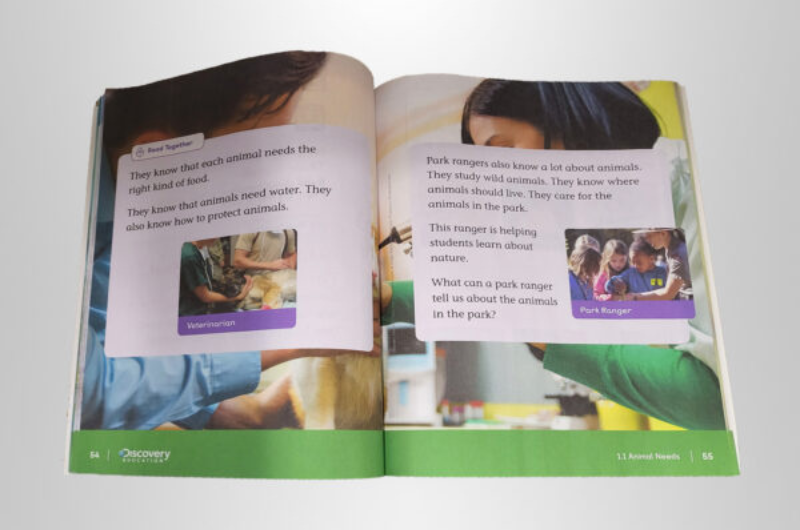
We've expanded our 4-color and perfect binding capacity by over 50% with the installation of an HP T490 inkjet press and two additional state-of-the-art Muller Martini binding lines. 

  • Blazing print speeds
  • Uncompromising quality
  • Eco-friendly
  • Proven consistency
1

High quality, environmentally friendly 4-color printing.

Website Icons

2

Top-tier reliability in inkjet production with HDNA technology.
Website Icons


3

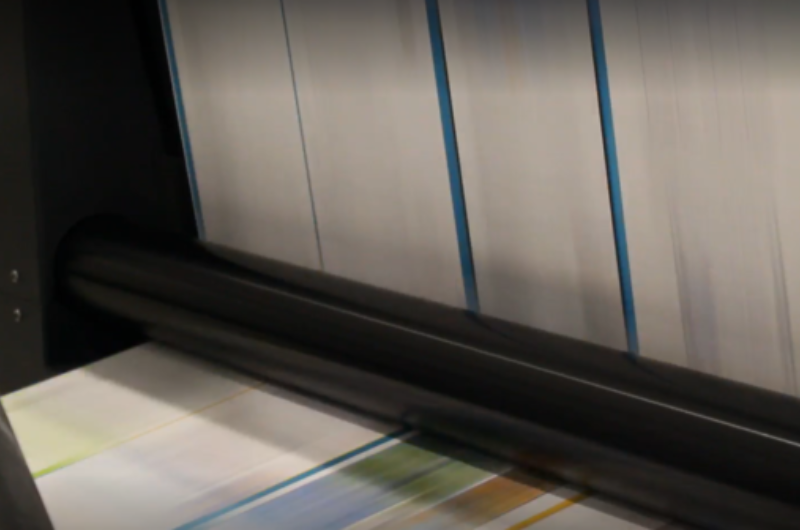
1,000 feet per minute and inline finishing for quick turn times.

Website Icons


YOU MAY NEED TO KNOW

Frequently Asked Questions

What print quantities can the HP handle?

The HP prints quantities of 2,500 to 7,500.

What color capabilities are available on the HP?

The HP produces 1 to 4-color books.

What paper stocks and weights can be accommodated on the HP?

The HP can print from 40# to 70# along with 60# and 70# matte.

What is the typical turnaround time for medium-run jobs?

Typical turnaround time for medium-run jobs is 20 days or less, depending on capacity. Please confirm schedules with your business development or account manager ⟶

What are the advantages of digital printing compared to offset printing?

Digital printing provides several benefits for certain types of projects:

  • No printing plates or makeready costs

  • Faster setup and turnaround times

  • Economical short runs

  • Ability to print variable or personalized content

  • Easier versioning for multiple editions
When is digital printing the best choice for a print project?

Digital printing is ideal when:

  • Print quantities are relatively small

  • Content changes frequently

  • Multiple versions or editions are required

  • Fast turnaround times are needed

  • Personalization or variable data printing is required

How does digital printing support efficient print production?

Because digital presses eliminate plate creation and reduce setup time, printers can switch quickly between jobs and produce shorter runs more efficiently. This reduces waste and allows a faster response to changing print needs.

What’s the difference between offset and digital printing?

The main difference between offset and digital printing is how the image is transferred onto paper.

Offset printing uses metal plates to transfer ink onto a rubber blanket, which then applies the image to paper. This traditional method is ideal for large print runs because once the press is set up, it can produce thousands of copies quickly and cost-efficiently with very consistent quality.

Digital printing, on the other hand, prints directly from a digital file to the paper without using plates. This eliminates much of the setup time and makes digital printing a great option for short runs, quick turnaround projects, and materials that require multiple versions or personalization. 

What file formats do you accept for print-ready files?

Bradford & Bigelow accepts press-ready PDFs (fonts must be embedded).

*Note that files submitted in other formats may require extra processing time and could incur additional processing fees; please speak with a business development manager for more information ⟶

Can B&B handle jobs with multiple versions or SKUs?

Yes. Bradford & Bigelow is equipped to manage complex print programs that include multiple versions, SKUs, or components. This is common for our educational publishing clients that produce regional editions, grade-level variations, or customized kits.

Our production workflow is designed to efficiently manage versioned content through coordinated scheduling, precise inventory tracking, and flexible manufacturing capabilities across both offset and digital printing. Once printed, materials can be assembled into kits, packaged by SKU, and sent to districts, your warehouse, or stored in our warehouse for ongoing fulfillment and distribution ⟶

How does B&B ensure color consistency across print runs?

Printers use standardized color calibration systems and quality management processes to maintain consistency across print runs.

Bradford & Bigelow uses advanced color management practices such as G7 calibration ⟶ which helps ensure accurate and repeatable color reproduction across different presses and materials.

The company also maintains an ISO 9001:2015 quality management system ⟶ which ensures documented processes and continuous improvement across production. 

What are other printing technologies used at Bradford & Bigelow?

Bradford & Bigelow operates a range of specialized printing technologies designed to support different types of projects from high-volume book manufacturing to flexible short-run digital printing. Learn more about our product equipment: 

Digital power with unmatched speed

Produce your books with top-tier reliability