
How Does Paper Weight, Brightness, and Opacity Affect Educational Books?
Read Time 7 mins
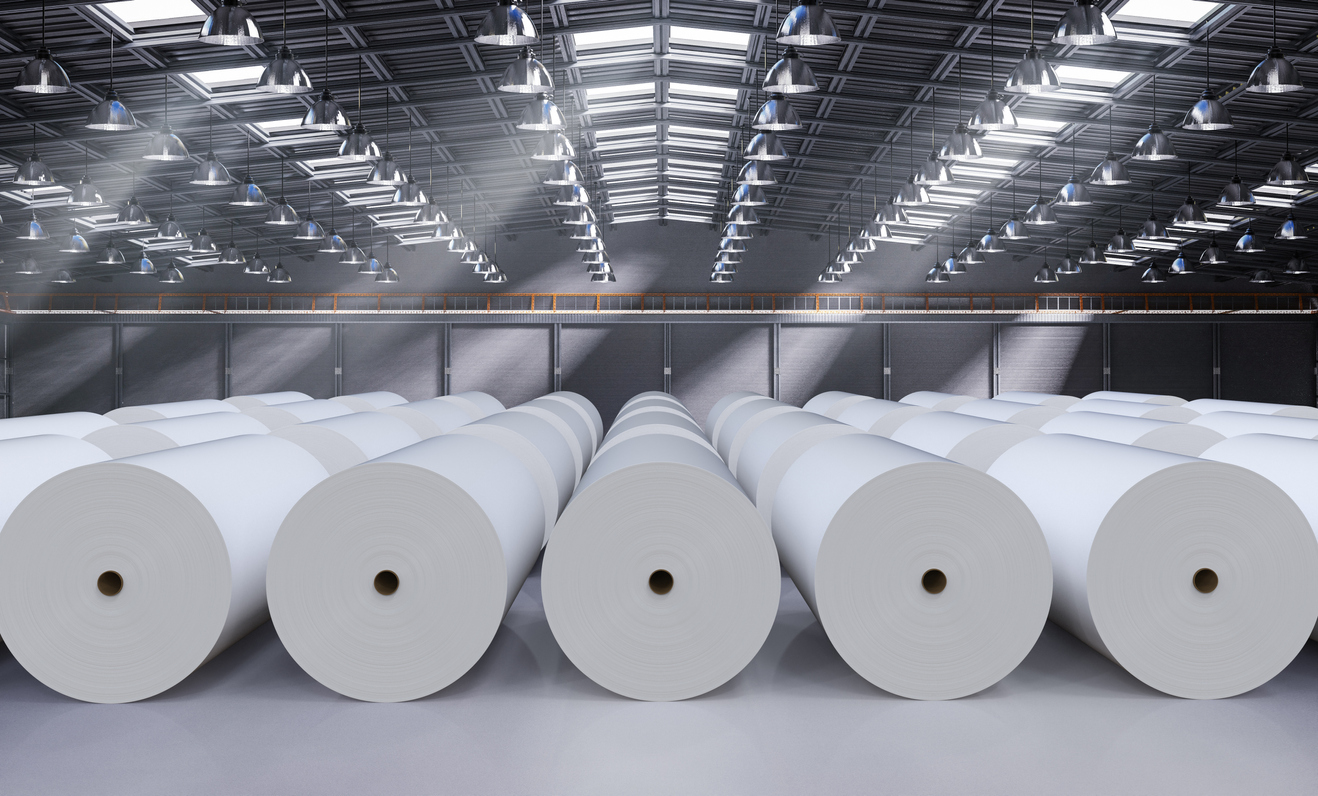
Paper decisions have a way of becoming more important once the job is already on press. A sheet that looked fine on paper samples suddenly feels too thin. A workbook shows more show-through than expected. A bright white stock makes color graphics look great but creates more glare than intended.
For educational publishers, paper is not just a manufacturing detail. It directly affects readability, durability, quality, shipping cost, and how a product performs in the classroom.
The challenge is that paper terminology can feel unnecessarily technical if you are not working with it every day. This guide breaks down core concepts production teams should understand when evaluating book paper.
Start with the purpose of the book
Before comparing specs, start with the product itself. A full-color science workbook has different requirements than a black over black math practice book. A saddle-stitched assessment booklet has different needs than a case-bound teacher’s edition.
Paper selection works best when it supports how the book will actually be used. Think about:
- Will students write in it frequently
- Does it rely heavily on graphics or photography
- Is shipping weight a major factor
- Does the book need to feel durable over multiple years of use
Those answers usually narrow the options quickly.
Understanding basis weight
One of the first things publishers look at is basis weight. In educational publishing, common interior stocks are often described as 40#, 50# or 60# text. Generally speaking:
- 40# text is lightweight and optimized for high page counts and lower shipping costs
- 50# text balances cost, durability, and overall performance
- 60# text provides a heavier feel with improved opacity and durability
But the difference is about more than feel.
40# text
40# text is one of the lightest text weights commonly used in educational publishing and is often chosen when minimizing costs is the priority. Advantages include:
- Lower material cost
- Reduced shipping weight
- Less bulk on higher page count books
- Efficient for very large distribution quantities
This makes it a strong option for:
- Large volume educational programs
- High page count books
- Budget-sensitive projects
The tradeoff is that lighter sheets generally provide less opacity and a thinner feel in hand. For products with dense graphics, heavy coverage, or significant write-in usage, publishers may need to evaluate whether a heavier sheet provides better usability.
50# text
50# text is widely used for educational text stock because it balances performance and cost well. Advantages include:
- Lower paper cost
- Lower freight weight
- Reduce bulk on high page count books
This makes it a strong option for:
- Black over black workbooks
- High-volume educational programs
- Large page count products where spine width matters
The tradeoff is that lighter sheets can sometimes show more transparency depending on the opacity and brightness.
60# text
60# text providers a sturdier feel and often improves opacity. Advantages include:
- Better resistance to show-through
- More premium tactile feel
- Improved durability for frequent handling
This stock is often chosen for:
- Full-color educational products
- Teacher editions
- Student workbooks with heavy use
- Products where perceived quality matters
The tradeoff is increased paper and freight costs. Across large runs, even a modest weight increase can materially affect shipping expenses.
Brightness: why white is not just white
Brightness measures how much blue-white light a paper reflects. Higher brightness sheets appear cleaner and whiter. Lower brightness sheets feel softer and more natural. This affects how printed content appears on the page.
High brightness
Higher brightness stocks tend to:
- Increase perceived contrast
- Make colors appear more vibrant
- Create sharper-looking black text
These are often used for:
- Full-color materials
- Heavily illustrated products
- Books where image clarity matters
Moderate brightness
Moderate brightness paper can feel easier on the eyes during extended reading sessions. They are commonly used for:
- Text-heavy educational materials
- Teacher guides
- Practice books
In many cases, the goal is balance rather than maximum brightness.
Opacity and show-through
Opacity measures how much the paper prevents printing from one side from showing through to the other. This is one of the most important considerations for educational publishing because readability matters. Low opacity can become distracting when:
- Math equations overlap visually
- Dense text appears throughout the page
- Answer spaces become harder to read
- Fine rulers or grids compete with backside printing
For black educational interiors, opacity often matters more than brightness. A slightly heavier or more opaque sheet may improve usability significantly, even if the visual difference seems subtle at first.
Why surface finish matters
The surface of the sheet affects both print appearance and functionality. The biggest distinction is between coated and uncoated papers.
Uncoated papers
Uncoated stocks have a more natural surface and absorb ink more readily. Benefits include:
- Easier writing with a pencil or a pen
- Less glare under classroom lighting
- Traditional book-like feel
This makes uncoated paper ideal for:
- Math workbooks
- Practice books
- Assessments
- Teacher materials with note-taking
The tradeoff is that colors and images appear slightly softer because the ink absorbs into the sheet more.
Coated papers
Coated stocks create a smoother printing surface and hold ink closer to the top of the sheet. Benefits include:
- Sharper image reproduction
- Greater color vibrancy
- Cleaner photo detail
This makes coated paper better suited for:
- Full-color workbooks
- Geography content with maps
- Illustrated educational programs
- Covers and inserts
Matte coated stocks are often preferred for educational interiors because they reduce glare while still improving image quality. Gloss coated papers provide stronger color pops but are less common for write-in products.
Matching paper to educational products
Full-color science workbook
This type of product relies heavily on visuals, diagrams, and color differentiation. Recommended priorities:
- Strong image reproduction
- Good brightness
- Reliable opacity
- Durable feel for classroom use
A 60# matte coated or quality uncoated sheet is often a strong fit, depending on how much writing students need to do.
High-use math practice book
This product is driven by usability and readability rather than visual impact. Recommended priorities:
- Good opacity
- Easy writability
- Lower shipping weight
- Cost efficiency
A 50# or 60# uncoated text stock is typically the best fit.
How paper impacts cost beyond the sheet price
Paper decisions affect more than just material cost. Heavier sheets increase:
- Freight expense
- Carton weight
- Storage requirements
- Mailing costs
Coated papers can increase:
- Material cost
- Press complexity
- Drying and handling considerations
The best decision balances:
- Budget
- Print performance
- Classroom usability
- Logistics
At the same time, the wrong paper choice can reduce the effectiveness of the product itself.
Work with proven stocks
Many printers maintain house stocks specifically selected for educational publishers. These papers are chosen because they:
- Run consistently on press
- Are readily available
- Support reliable quality
- Reduce production risk
That often helps publishers move faster and avoid surprises during production.
Key takeaways
Paper selection is not just about choosing a heavier or brighter sheet. It is about matching the paper to the purpose of the product.
Weight affects durability and shipping. Brightness affects readability and image appearance. Opacity affects usability. Surface finish affects both print quality and how students interact with the page.
When those factors are aligned, the finished book performs better, both on press and in the classroom.