
FIND A STYLE THAT WORKS FOR YOU
Binding Styles
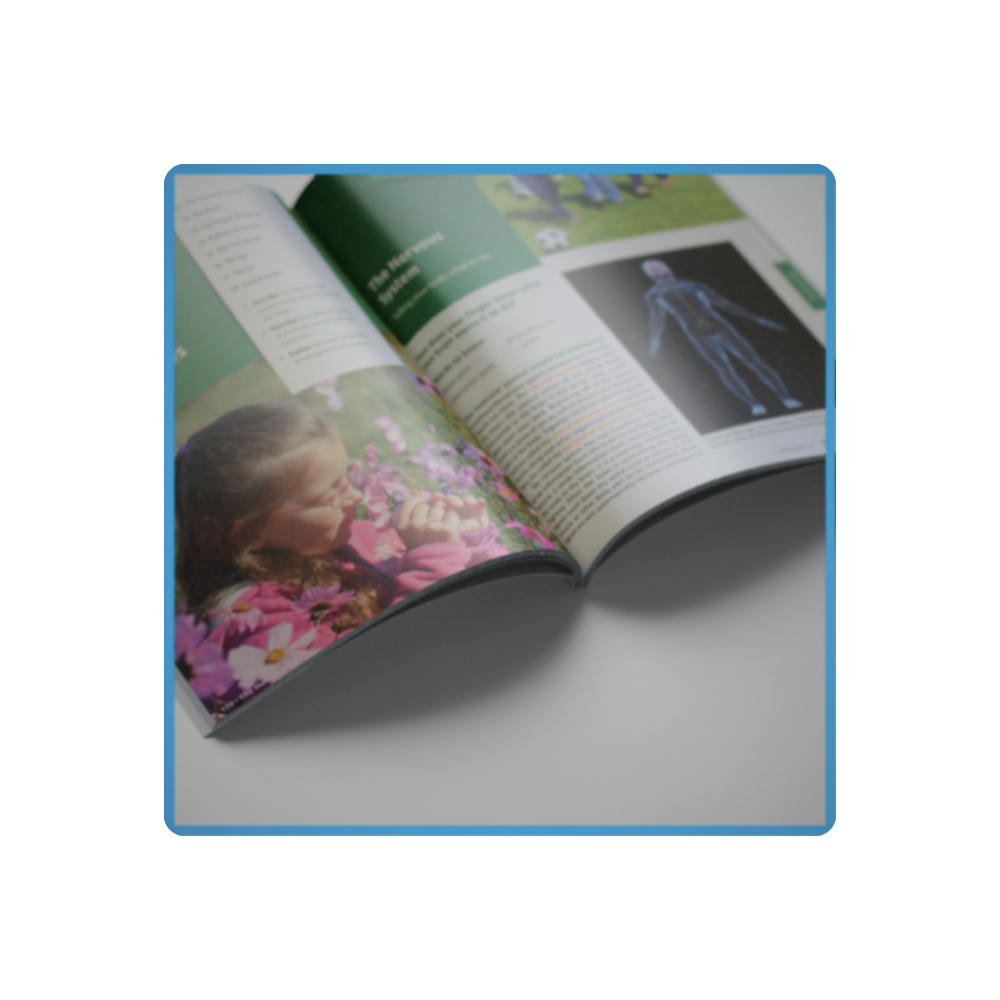
Perfect Binding
Bound with glue on the left edge of the book —
ideal for books 96 pages and higher
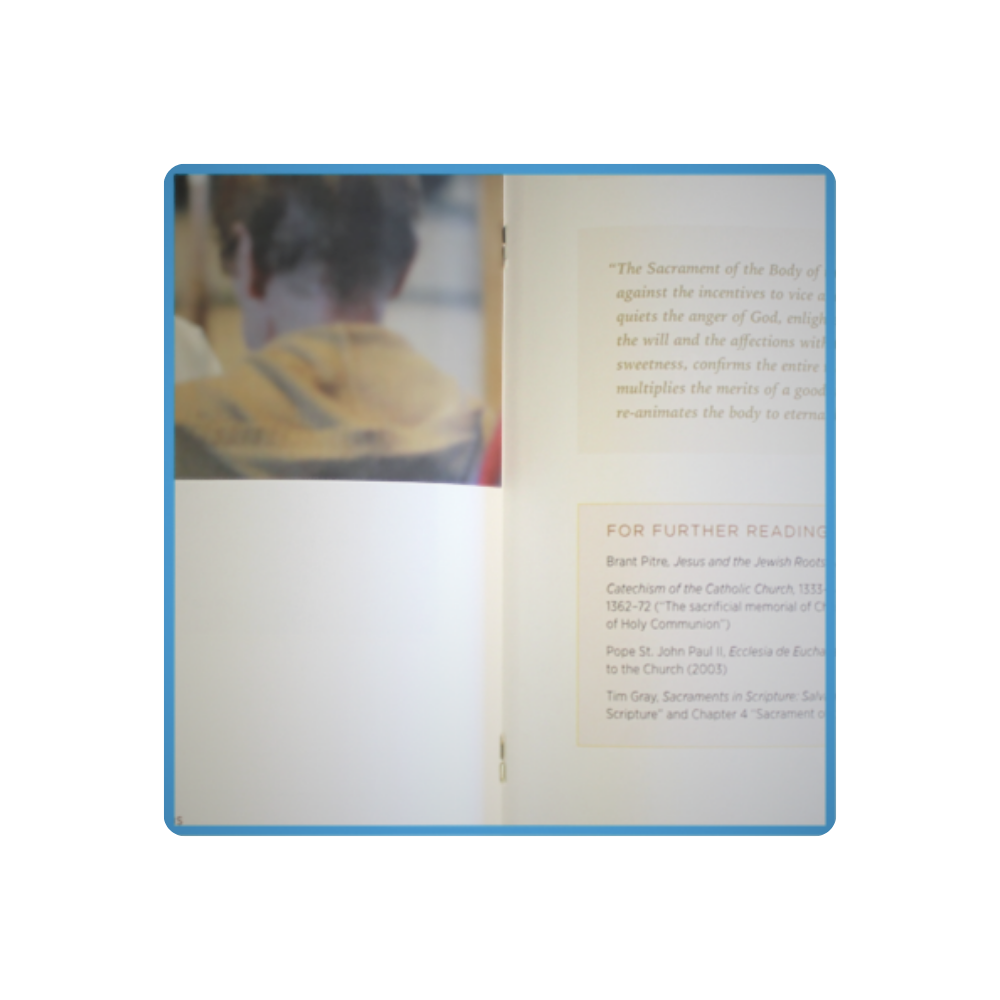
Saddle-Stitching
Pages are stapled through the fold of the book —
ideal for thinner books under 96 pages
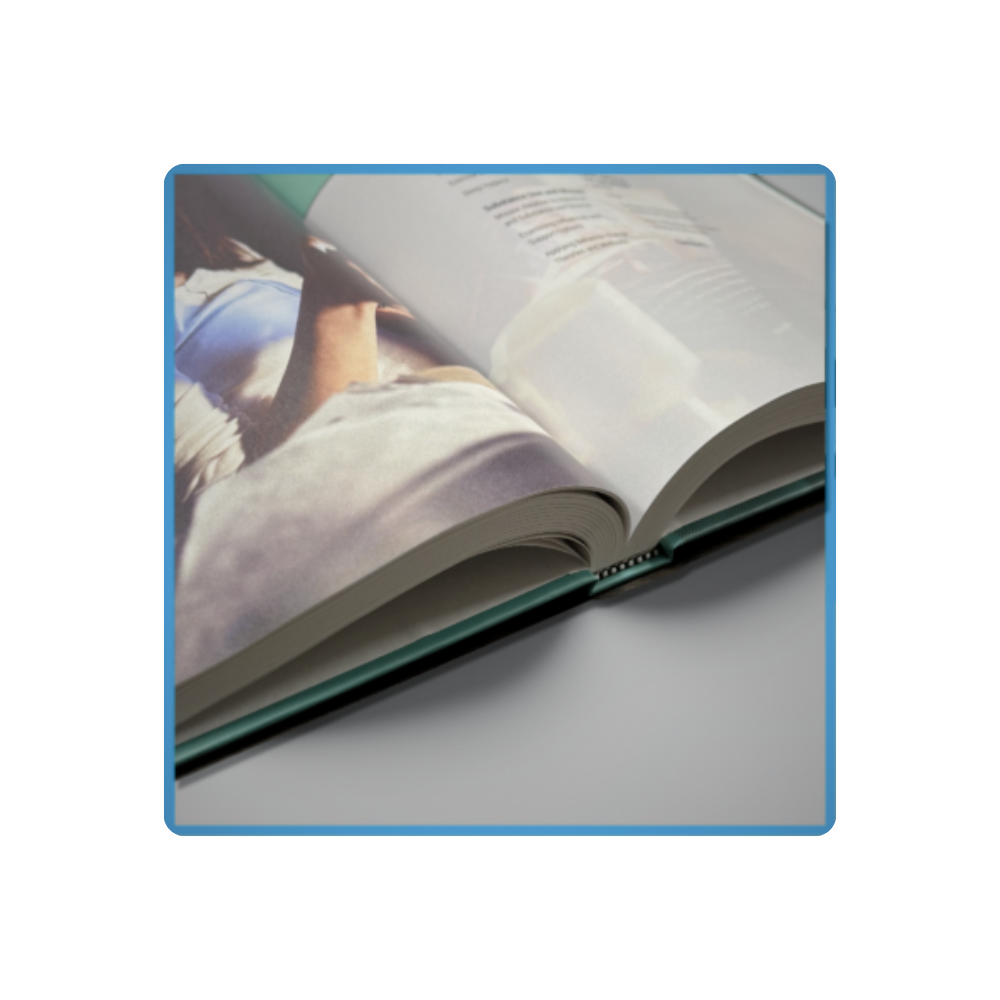
Case Binding
Bound with glue then attached to a hard cover —
ideal for textbooks and professional materials
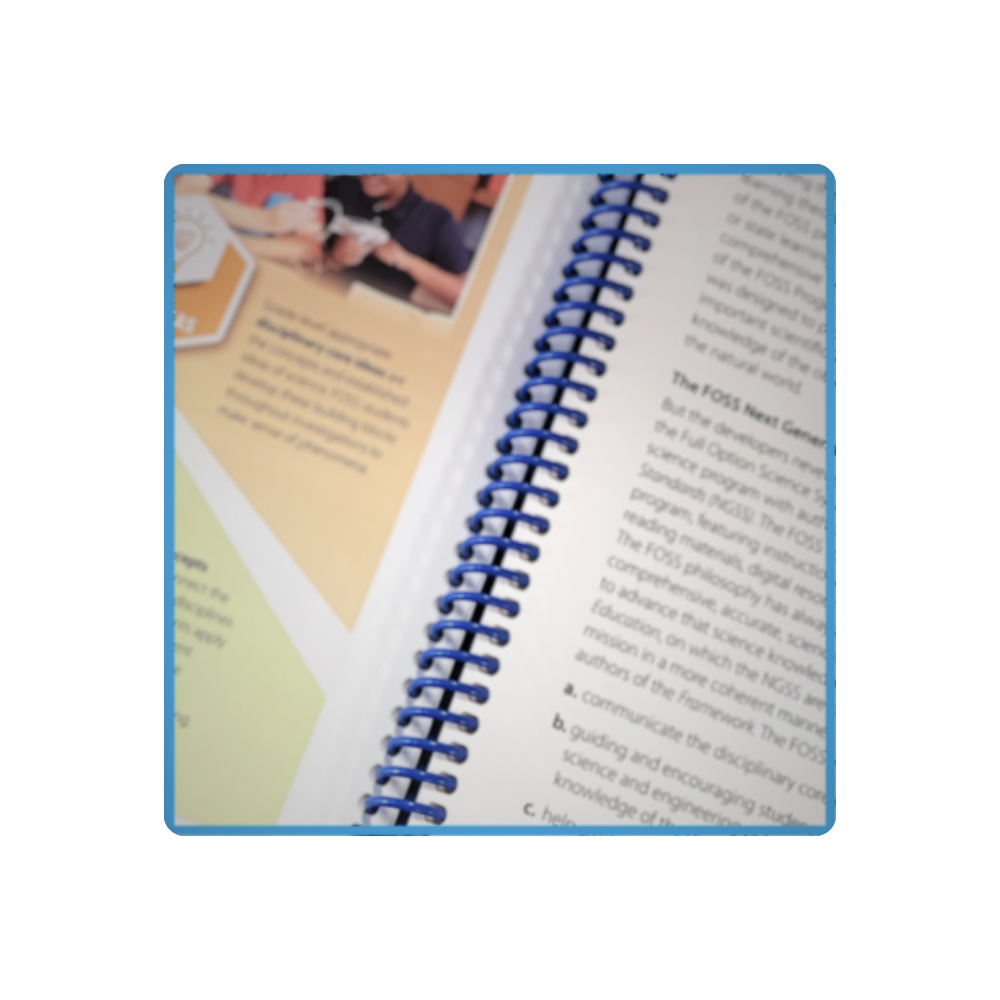
Coil Binding
Pages punched and held together with plastic coil —
ideal for teacher's and instructor's guides
YOU MAY NEED TO KNOW
Frequently Asked Questions
What binding services does Bradford & Bigelow offer?
B&B provides professional binding options including:
- Perfect binding
- Saddle-stitching
- Coil binding
- Case binding (hardcover)
These options support educational materials, workbooks, softcover books, and hardcover publications.
What is the difference between perfect binding and saddle-stitching?
Perfect binding uses adhesive to secure pages to a wraparound cover, creating a flat spine ideal for thicker books.
Saddle-stitching uses staples through the fold and works best for booklets or marketing brochures with lower page counts.
When should I choose perfect binding?
Perfect binding is ideal when:
- Your project has a higher page count
- You want a printable spine that can show on a bookshelf
- When lay-flat usability isn't critical
What is case binding and when is it used?
Case binding, also known as hardcover binding, creates a rigid and durable book with a wrapped cover board. It's best for:
- Textbooks
- Reference books
- Long-term use materials
Case binding offers maximum durability and a premium feel.
What is coil binding and when is it the right choice?
Coil binding uses a continuous plastic spiral that allows books to lay flat or fold back on themselves. It's commonly used for:
- Workbooks
- Teacher's or instructor's guides
- Training guides
- Educational materials
This binding style improves usability when the readers need hands-on interaction with the content.
How do I choose the best binding method for my project?
The best binding options depend on:
- Page count
- Intended use
- Budget
- Desired durability
- Design requirements (like spine printing)
If you want a deeper breakdown, we recommend reading Comparing Binding Methods ⟶
Does binding style affect printing costs?
Yes. Binding method influences:
- Production time
- Materials used
- Labor requirements
- Shipping weight
For example:
- Saddle-stitching is typically the most economical for thinner books
- Perfect binding costs more due to trimming and adhesive requirements
- Case binding is more premium due to the hardcover materials and assembly
Can binding impact shipping and fulfillment?
Absolutely. Binding affects thickness, rigidity, and weight, which impacts warehousing, carton packing, freight costs, and shelf storage.
Choosing the right binding style can improve both product durability and supply chain efficiency.